When the risen Christ declares, "I have the keys of Hades and of Death" (Revelation 1:18), He announces a power transfer that would have stunned both Jewish and Greco-Roman audiences. The realm they considered humanity's inescapable destiny is now under new management. Hades appears four times in Revelation, yet confusion persists about what it is, how it differs from hell, and why it matters for Christians facing death.
Maybe you've wrestled with these ancient terms, feeling uncertain about what happens after death or whether these apocalyptic visions offer comfort or confusion. That uncertainty is more common than you might think, and faithful readers have wrestled with these passages for centuries. There's no shame in approaching these texts with both reverence and honest questions.
Hades in Revelation is not merely symbolic of death in general. It specifically represents the temporary holding place of the dead awaiting final judgment, distinct from the lake of fire and completely under Christ's sovereign control.
Quick Answer: Hades in Revelation is the temporary dwelling place of the dead awaiting final judgment, distinct from the lake of fire (Gehenna). Christ holds sovereign authority over Hades through His resurrection victory, and both Death and Hades will ultimately be destroyed.
Definition: Hades in Revelation represents the intermediate realm where the dead await final judgment, completely under Christ's sovereign control and destined for destruction when God makes all things new.
Key Scripture: "And I have the keys of Hades and of Death" (NKJV Revelation 1:18)
Context: This declaration follows Christ's resurrection, establishing His complete administrative control over the realm of the dead.
This vision functions as both warning and comfort. It warns that death is real and serious, collecting souls in Hades until final judgment. Yet it also comforts by demonstrating God's sovereignty over even death itself. The keys belong to Christ, not to death. What follows will examine what Hades represents in biblical theology, how first-century readers understood this imagery, and what it means for believers facing mortality today.
Key Takeaways
Hades is temporary, not eternal. It functions as an intermediate holding place between physical death and final resurrection
Christ holds the keys to Hades through His resurrection victory, giving believers confidence that death cannot separate them from His authority
Hades differs from hell. Hades is the intermediate state; the lake of fire is the final destination for the condemned
Death and Hades work together as personified companions, with Death claiming bodies and Hades receiving souls
Hades faces destruction in Revelation 20:14, proving death is not permanent but a defeated enemy
What Does the Bible Say About Hades in Revelation?
Revelation references Hades in revelation four times, each revealing essential aspects of its nature and destiny. The text tells us exactly what we need to know about this realm and its relationship to God's sovereign plan.
Christ declares, "I am He who lives, and was dead, and behold, I am alive forevermore. Amen. And I have the keys of Hades and of Death" (NKJV Revelation 1:18). The Greek term ᾅδης (hadēs) means "the unseen place," and possessing its keys signifies complete sovereign control. Scholars such as G.K. Beale note that Christ's possession of the keys means he has sovereign power over this realm based on Isaiah 22:22's pattern where holding keys represents administrative authority.
In the fourth seal, we see "Death, and Hades followed with him" (NKJV Revelation 6:8), presenting them as inseparable partners. Death claims bodies while Hades receives souls. Yet they operate only under divine permission: "power was given to them over a fourth of the earth." This partnership reveals how mortality functions under God's judgment, not as random tragedy.
Hades in Revelation's temporary nature becomes clear in Revelation 20:13: "Death and Hades delivered up the dead who were in them." The verb παρέδωκαν (paredōkan) indicates forced surrender. Hades must release all its occupants for the Great White Throne judgment. Finally, "Death and Hades were cast into the lake of fire" (NKJV Revelation 20:14). According to Robert Mounce, Hades is not hell but the temporary abode of the dead. It is to be distinguished from the lake of fire, which is the final destiny of the wicked. Hades itself faces judgment, proving it's a created reality destined for destruction, not an eternal feature of God's universe.
Greek vs. Hebrew Concepts
The Septuagint consistently translates Hebrew שְׁאוֹל (sheol) as ᾅδης (hadēs), establishing conceptual continuity between testaments.

Old Testament foundation: Sheol represented the common destination of all the dead (Genesis 37:35; Job 14:13; Psalm 16:10)
New Testament clarity: Revelation adds revolutionary precision about hades in revelation as temporary and under Christ's authority
Cultural context: Both Jewish and Greco-Roman audiences would understand Hades as the realm of the dead, but Christ's keys announced a fundamental power transfer
Understanding Hades in Revelation's Context
Hades appears at strategic points in Revelation's structure: beginning (Christ's authority, 1:18), middle (judgment's execution, 6:8), and end (death's destruction, 20:13-14). This deliberate framework emphasizes Christ's comprehensive victory over death from start to finish. The literary placement is no accident; it creates a theological arc showing death's complete defeat.
Seven churches faced potential martyrdom under Roman persecution. When believers asked whether death under Caesar's sword meant defeat, Revelation answered decisively: Christ holds Hades' keys, so even martyrdom cannot remove them from His authority. According to Grant Osborne, Death and Hades as a pair occurs only in Revelation and their casting into the lake of fire demonstrates that they are created realities, not ultimate powers. They are enemies to be destroyed.
Old Testament background provides the foundation for understanding hades in revelation. Psalm 16:10 prophesies, "For You will not leave my soul in Sheol" (NKJV), quoted in Acts 2:27 using "Hades" to describe Christ's resurrection. Daniel 12:2 promises resurrection: "many of those who sleep in the dust of the earth shall awake" (NKJV). Revelation fulfills these prophecies: Hades releases the dead (20:13), then faces destruction (20:14).
Greek mythology portrayed Hades (the god) ruling Hades (the place) as an unyielding power over human destiny. Revelation inverts this completely. The risen Christ holds authority over the realm pagans considered humanity's unavoidable fate. This announcement would have been revolutionary: death is defeated, not ultimate. Original audiences would grasp immediately that the One they worshiped had conquered the realm their culture considered final.
Why Hades in Revelation Matters for Christians Today
Christ's possession of Hades' keys transforms how believers approach mortality. Even physical death does not remove Christians from Christ's authority. This truth speaks directly to those facing terminal illness, persecution, or natural anxieties about death, providing solid ground for confident trust rather than terror. Death becomes a defeated enemy, not an unknown power.
When believers lose loved ones in Christ, Revelation's teaching offers specific comfort. Death is real and Hades receives the dead, but both are temporary and under Christ's control. Ministry to the grieving should include this eschatological hope: your loved one is not beyond Christ's reach, death is not the final word, and Hades itself will be destroyed (1 Thessalonians 4:13).
Original audiences faced choosing between Caesar-worship (with economic security) or Christ-loyalty (with martyrdom risk). Modern applications vary: Christians facing persecution in restricted nations, believers choosing ethical integrity over career advancement, or resisting cultural compromise despite social consequences. Knowing Christ holds Hades' keys makes faithfulness unto death reasonable (Revelation 2:10).
Perhaps you've wondered whether these ancient visions have practical relevance for modern faith. The vision of Death and Hades cast into the lake of fire (20:14) anticipates Revelation's climax: "there shall be no more death, nor sorrow, nor crying" (NKJV Revelation 21:4). The destruction of hades in revelation is not merely negative (death eliminated) but positive (life perfected), calling believers to anticipatory worship of the God who will make all things new.
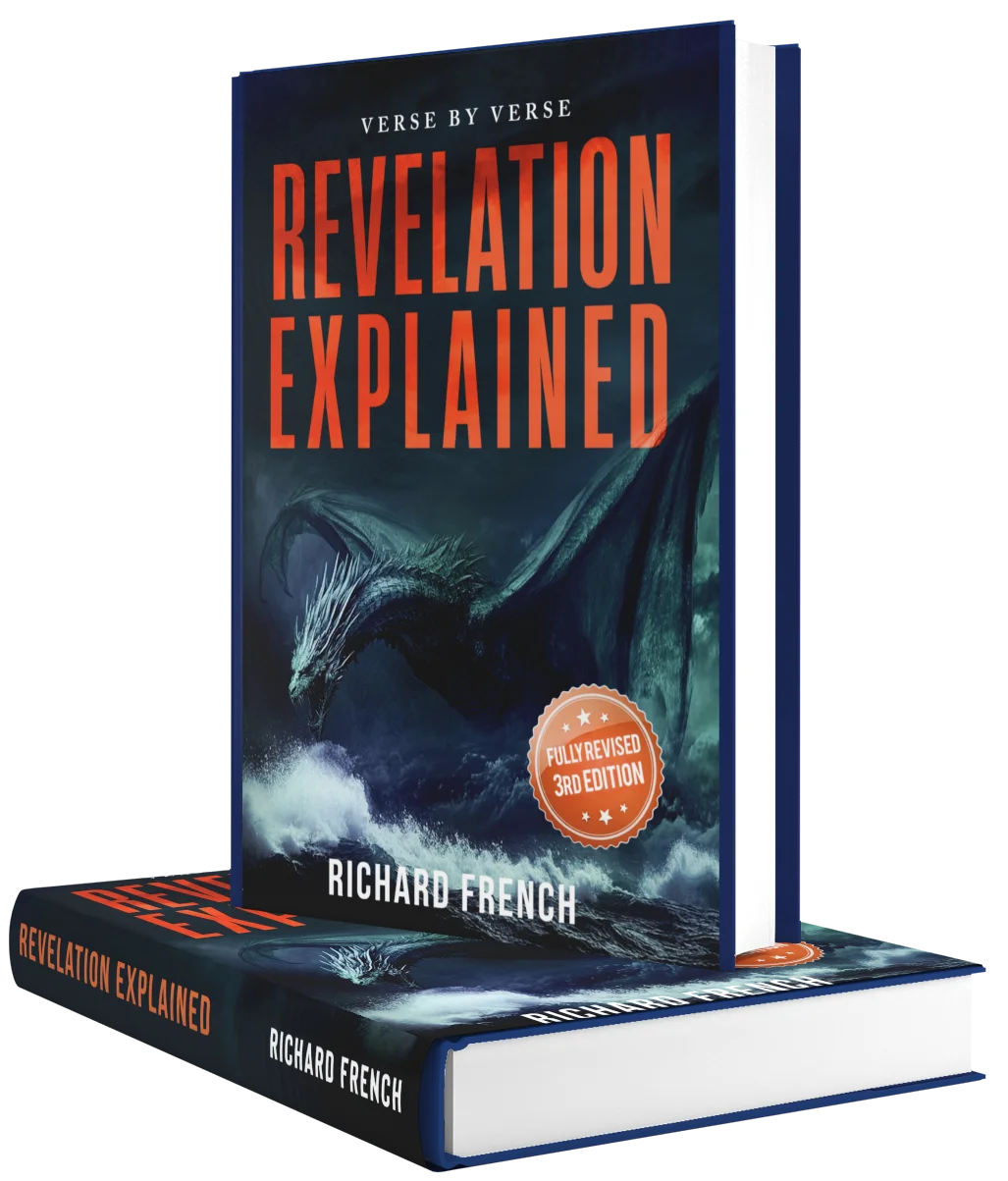
For readers wanting to trace how this theme develops across Revelation's narrative, Revelation Explained: Verse by Verse examines each occurrence in its immediate context and shows how death's defeat unfolds throughout the book's structure.
Why This Vision Matters
Understanding hades in revelation replaces confusion with confidence in God's redemptive plan. Death and its holding place are not ultimate powers but defeated enemies under Christ's control, destined for final eradication. This teaching addresses the universal human condition: mortality's fear and resurrection's hope. It offers believers assurance that physical death cannot separate them from Christ's sovereign authority and love.
Conclusion
Hades in revelation functions as the temporary dwelling place of the dead, completely distinct from the eternal lake of fire. Through His resurrection, Christ seized the keys of Hades, establishing sovereign authority over death's realm. Both Death and Hades will surrender their captives for final judgment, then face destruction themselves, proving death is not permanent but a defeated enemy.
This truth offers profound comfort: those who die in Christ remain under His authority, and death itself will ultimately be eliminated when God makes all things new. You can face mortality with confidence, knowing that even death serves God's redemptive purposes and will itself be destroyed in His final victory.
For a deeper verse-by-verse exploration of Revelation's eschatology and how death's defeat unfolds throughout the book, see Revelation Explained: Verse by Verse by Richard French.
Sources
Revelation 1:18; 6:8; 20:13-14 (primary Hades references)
Psalm 16:10; Isaiah 38:18; Daniel 12:2 (Old Testament background)
Genesis 37:35; Job 10:21-22; Psalm 6:5 (Sheol references)
1 Corinthians 15:55; 1 Thessalonians 4:13; Revelation 21:4 (theological connections)
Beale, G.K. The Book of Revelation: A Commentary on the Greek Text. New International Greek Testament Commentary. Grand Rapids: Eerdmans, 1999.
Mounce, Robert H. The Book of Revelation. Revised edition. New International Commentary on the New Testament. Grand Rapids: Eerdmans, 1997.
Osborne, Grant R. Revelation. Baker Exegetical Commentary on the New Testament. Grand Rapids: Baker Academic, 2002.
Theological lexicons on Greek ᾅδης (hadēs) and Hebrew שְׁאוֹל (sheol)
Old Testament background in eschatological texts from Isaiah, Ezekiel, and Daniel
First-century Jewish and Greco-Roman understandings of the afterlife for cultural context